
Effective Revision Strategies for GCSE Students: How Much Is Enough?

Preparing for GCSE exams can feel overwhelming. Many students ask themselves how much revision is enough to succeed without burning out. Finding the right balance between study time and rest is key to effective learning and exam performance. This post explores practical advice on how much revision GCSE students should aim for, with tips to make study sessions productive and manageable.

Understanding the Revision Challenge
GCSE exams cover a wide range of subjects and skills. Students often feel pressure to revise everything, which can lead to stress and ineffective study habits. The amount of revision needed varies depending on:
The student's current understanding of each subject
The difficulty of the subjects chosen
Time available before exams
Individual learning pace and style
Rather than focusing on a fixed number of hours, students should aim for consistent, focused revision that fits their personal needs.
How Much Revision Is Recommended?
Research and educational experts suggest that GCSE students should aim for around 1 to 2 hours of revision per day during term time, increasing to 3 to 4 hours daily in the weeks leading up to exams. This approach helps build knowledge steadily without causing burnout.
Weekday Revision
1 to 2 hours daily is enough to review key topics and practice exam questions.
Break study time into shorter sessions of 25-30 minutes with 5-minute breaks to maintain focus.
Prioritize weaker subjects or topics that need more attention.
Weekend Revision
Use weekends for longer revision sessions, about 3 to 4 hours, split into blocks with breaks.
Include practice papers and timed questions to simulate exam conditions.
Review progress and adjust study plans accordingly.
Final Weeks Before Exams
Increase revision time to 3 to 4 hours daily if possible.
Focus on exam techniques, past papers, and areas that still need improvement.
Avoid cramming all night; quality rest is essential for memory and concentration.
Making Revision Effective
The quantity of revision matters less than the quality. Here are strategies to make study time count:
Active learning: Engage with the material by summarizing notes, teaching concepts aloud, or creating flashcards.
Practice exams: Regularly attempt past papers under timed conditions to build confidence and identify gaps.
Varied subjects: Rotate subjects to keep the brain fresh and avoid fatigue.
Set clear goals: Define what to achieve in each session, such as mastering a topic or completing a set of questions.
Use revision guides and apps: Tools like GCSE revision apps can provide interactive quizzes and summaries.
Avoiding Common Pitfalls
Revision can become ineffective if students fall into these traps:
Overloading: Trying to revise for too many hours without breaks leads to burnout and poor retention.
Passive reading: Simply reading notes without active engagement wastes time.
Ignoring weaker areas: Focusing only on favorite subjects leaves gaps in knowledge.
Last-minute cramming: This increases stress and reduces long-term memory.
Balancing Revision with Wellbeing
Maintaining mental and physical health is crucial during exam preparation. Students should:
Get at least 8 hours of sleep each night to support memory and focus.
Take regular breaks during revision to stretch and relax.
Eat balanced meals and stay hydrated.
Include physical activity to reduce stress and improve mood.
Keep social connections to avoid isolation.
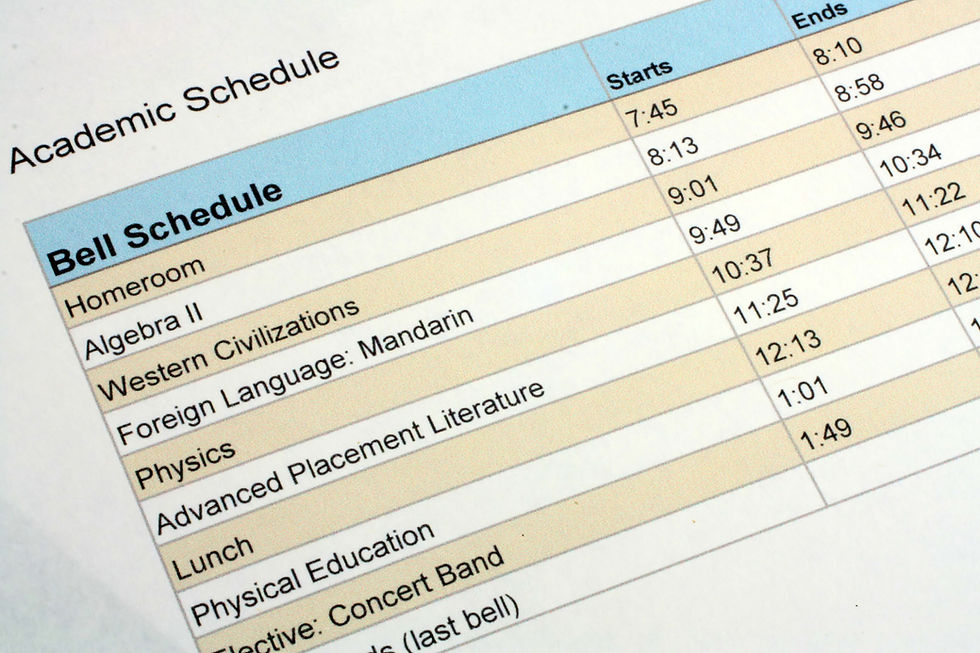
Tailoring Revision to Individual Needs
Every student learns differently. Some may find shorter, more frequent sessions work best, while others prefer longer blocks. It helps to:
Track progress and adjust revision plans based on what works.
Use feedback from teachers and mock exams to focus efforts.
Combine different revision methods like group study, videos, and writing notes.
Final Thoughts on Revision Time
Effective revision is about balance. Aiming for 1 to 2 hours daily during term time and increasing to 3 to 4 hours closer to exams provides a solid framework. More importantly, revision should be active, focused, and tailored to individual strengths and weaknesses. Students who plan well, take care of their wellbeing, and use varied study techniques will find their revision time more productive and less stressful.


Comments